Program Summary
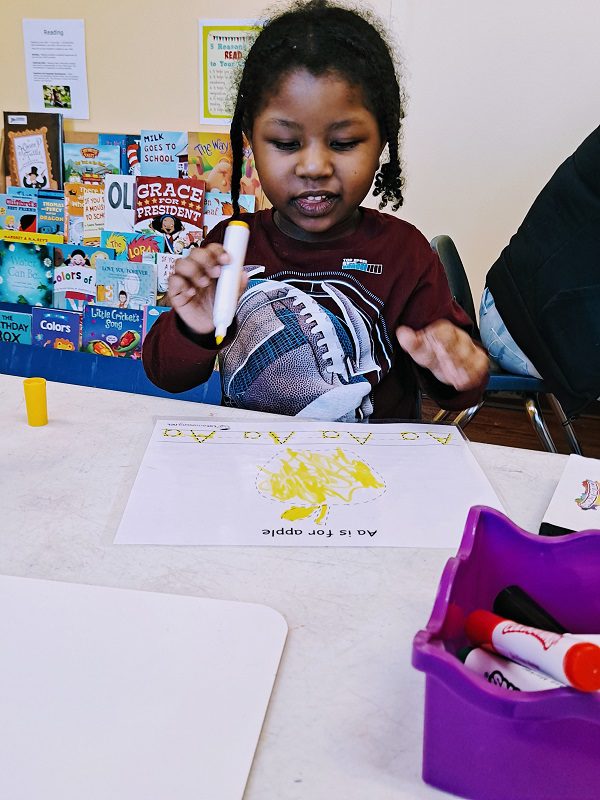
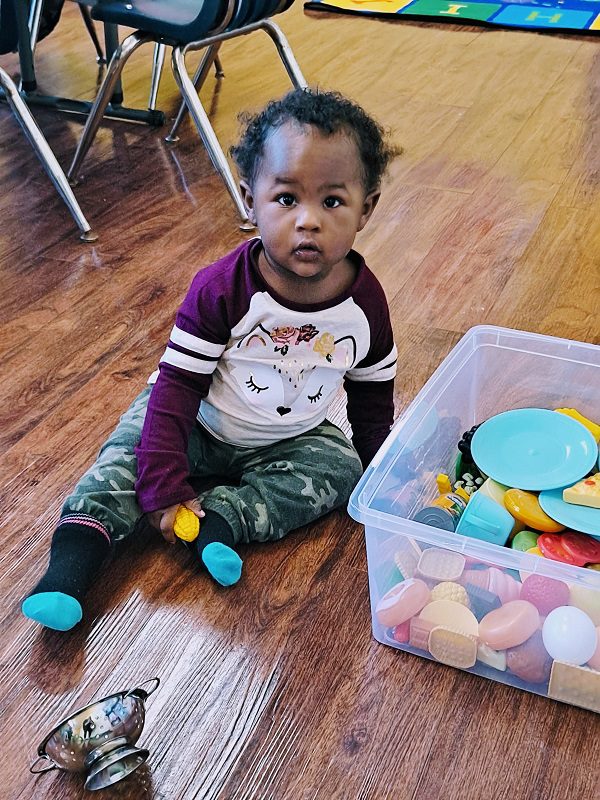
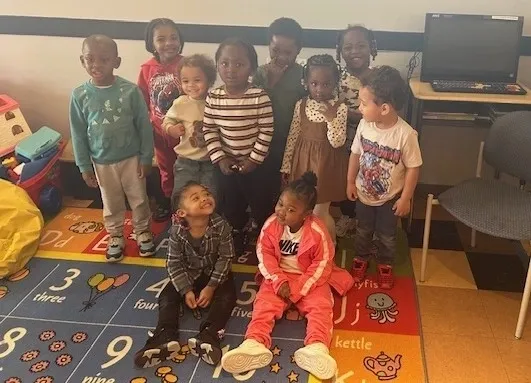
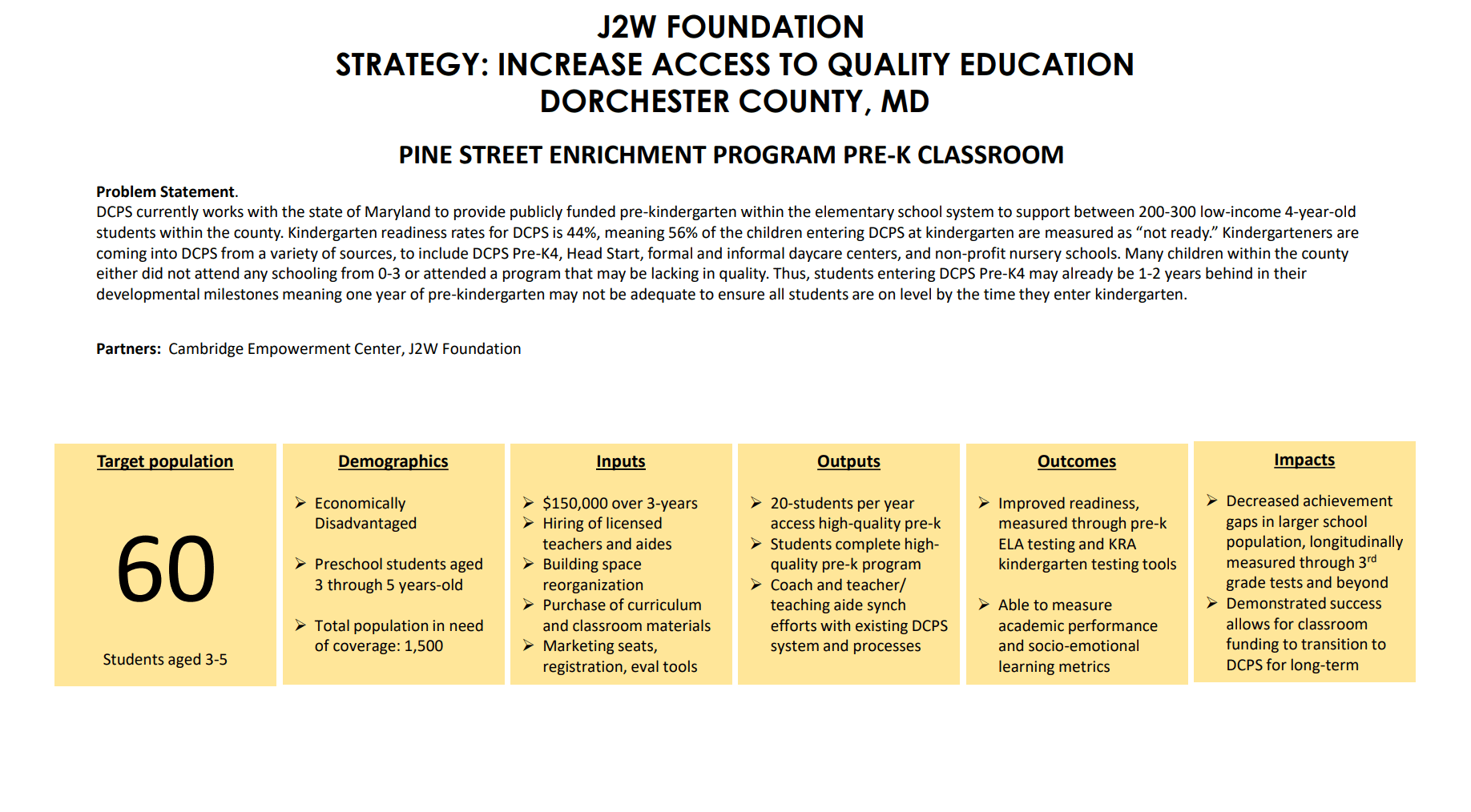
- Goal: To increase access to quality early learning opportunities for economically-disadvantaged children in Dorchester County, MD. The Pine Street Enrichment Program (PSEP) Pre-K program, under the direction of the Cambridge Empowerment Center (CEC) non-profit agency, will serve up to 20 children (3-5 years of age) in the Cambridge community.
- Background: Cambridge has a significant population of low-income families, with many struggling to close the academic and socioemotional learning achievement gaps that develop during the early childhood years and continue to widen over time. The CEC has a long and rich history of serving disadvantaged youth in Cambridge, MD, targeting the Pine Street community, with a focus on out-ofschool time (OST). There remains a dearth of opportunity to access high-quality, private and licensed Pre-K programs for lower-income families with children ages 3-5. Historical data suggests that these families lack the resources, space, or ability to attend other private programs, Head Start, or DCPS Pre-K3 or Pre-K4 programming. The CEC is the only OST organization operating in Cambridge with the Maryland State Department of Education (MSDE) licensure needed to open and operate a daycare program out of the Center. Adding this opportunity, in conjunction with the OST program (both after-school and summer) will increase efficiency usage of the building while filling a much-needed gap in community services.
- Theory of Change: We believe that if the CEC can acquire the appropriate staffing, recruit an appropriate number of students to participate in the program, and deliver an MSDE-approved Pre-K curriculum at the appropriate level of quality, then the participating students will be more prepared to enter DCPS kindergarten; their respective parents or caregivers will be given the opportunity and peace of mind to offer their children a unique opportunity to attend a licensed, private daycare program that would have otherwise not been possible; and, the program will help reduce the overall gap in pre-K access that currently exists in Dorchester County.
- Framework: CEC will offer a Pre-K program that will meet MSDE licensing requirements, available for children ages 3-5 years old, with a maximum capacity of 20 students. The program will run in parallel with the DCPS school year calendar. The program will run Monday – Thursday from 9 am – 12 pm and will require 2 licensed staff members and one volunteer during the school day. The program will ensure an MSDE-approved Pre-K3 and Pre-K4 curricula.
Measures of Performance
For more information, please see Data Analysis section at the bottom of the page
Data Analysis
- Goal: To increase access to quality early learning opportunities for economically-disadvantaged children in Dorchester County, MD. The Pine Street Enrichment Program (PSEP) Pre-K program, under the direction of the Cambridge Empowerment Center (CEC) non-profit agency, will serve up to 20 children (3–5 years of age) in the Cambridge community.
- Background: Cambridge has a significant population of low-income families, with many struggling to close the academic and socio-emotional learning achievement gaps that develop during the early childhood years and continue to widen over time. The CEC has a long and rich history of serving disadvantaged youth in Cambridge, MD, targeting the Pine Street community, with a focus on out-of-school time (OST). There remains a dearth of opportunity to access high-quality, private and licensed Pre-K programs for lower-income families with children ages 3–5. Historical data suggests that these families lack the resources, space, or ability to attend other private programs, Head Start, or DCPS Pre-K3 or Pre-K4 programming. The CEC is the only OST organization operating in Cambridge with the Maryland State Department of Education (MSDE) licensure needed to open and operate a daycare program out of the Center. Adding this opportunity, in conjunction with the OST program (both after-school and summer), will increase efficiency usage of the building while filling a much-needed gap in community services.
- Theory of Change: We believe that if the CEC can acquire the appropriate staffing, recruit an appropriate number of students to participate in the program, and deliver an MSDE-approved Pre-K curriculum at the appropriate level of quality, then the participating students will be more prepared to enter DCPS kindergarten; their respective parents or caregivers will be given the opportunity and peace of mind to offer their children a unique opportunity to attend a licensed, private daycare program that would have otherwise not been possible; and the program will help reduce the overall gap in pre-K access that currently exists in Dorchester County.
- Framework: CEC will offer a Pre-K program that will meet MSDE licensing requirements, available for children ages 3–5 years old, with a maximum capacity of 20 students. The program will run in parallel with the DCPS school year calendar. The program will run Monday–Thursday from 9:00 am–12:00 pm and will require 2 licensed staff members and one volunteer during the school day. The program will ensure an MSDE-approved Pre-K3 and Pre-K4 curriculum.
- Measures of Performance: Assessment data will be derived from internally-developed curricula that aligns with DCPS early childhood educational instruction. Measures of Performance include the following:
- Output measures: Number of students participating in the program. The PSEP program ended the school year with 7 students. Our goal for year-2 was 10 students (minimum 50% of the total possible seats), and thus we did not fully meet our goal, earning a "yellow" health score. We recognize there are other options for PreK in the community and therefore we are resetting expectations for participation. This includes a reduction in our access goal to 7–10 students during the school year. This also comes with a reduction in teacher-student ratios and thus a grant reduction to meet the expected new expenses.
- Output measures: % of students considered low-income, as measured by free/reduced meal eligibility or other income guidelines. Throughout the school year, the PSEP program maintained 100% low-income students, thus measuring "green."
- Outcome measures:
- Academic growth data (fall and spring). The PSEP program, during this first year, developed an academic growth measurement tool. The internal curriculum and assessments were built out of dialogue with the DCPS PreK program and thus is aligned with DCPS. The Life Skills Assessment tool measures multiple fields across multiple areas needed for kindergarten readiness (includes Personal Care, Eating/Mealtime Behavior, Classroom Responsibilities, Community Awareness, Academic Objectives, Language/Literacy, Fine/Gross Motor Skills, Independence, Social/Emotional Development, and Self-Regulation). Our assessment is focused on the literacy fields only. The % score represents the total "grade" of the program within the literacy fields in getting their students ready for K. The students’ baseline in year-1 was 44% achieving benchmarks and 49% by end of school year 2025. Benchmark assessment in the fall of 2025 was 55% and ended the 2026 SY at 68%. This earned a "green" health score.
- Satisfaction surveys are administered to participating families at the end of each academic year. Two survey questions are scored: % of parents satisfied with the overall PreK program; and % of parents that believe the PreK program adequately prepares their children for kindergarten. Parents are provided multiple touch-points with teachers throughout the year, along with reviews of assessments given during the year. The goal is to not only see parents' strong belief in the program but also determine if the parents' beliefs align with the assessments and, ultimately, if those assessments align with readiness testing in kindergarten. Families reported 100% satisfaction rate with the PSEP classroom in year-2, earning a "green" score.
- Impact measures: Performance of students, based on fall Kindergarten Readiness Assessment (KRA), that graduate the program and matriculate into DCPS kindergarten to measure effectiveness of the instruction. This will be noted during the fall 2026 kindergarten readiness assessments.