Program Summary
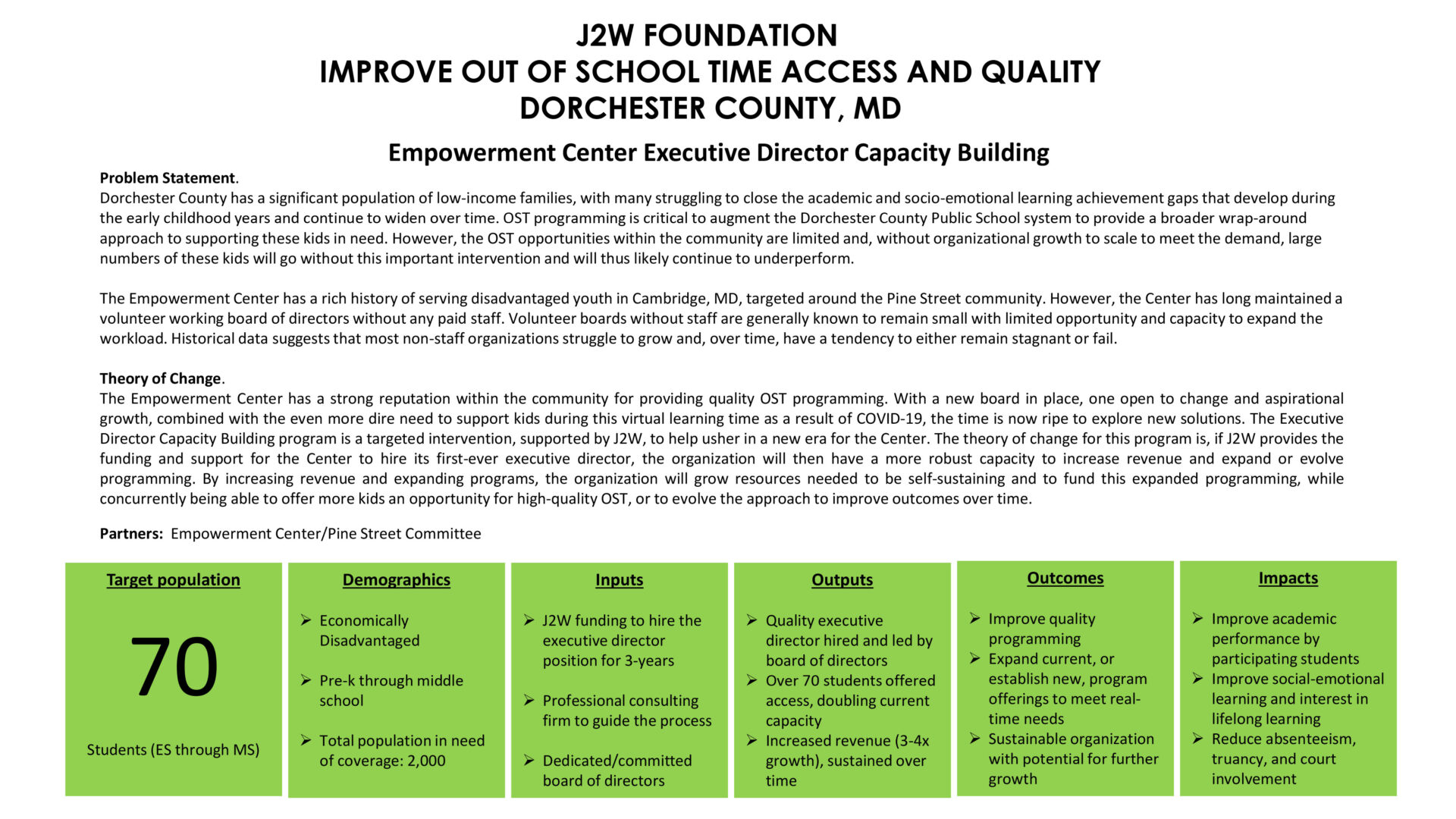
Increase the capacity of the Empowerment Center in Dorchester County, MD by funding the first-ever Executive Director position to grow the organization
- Provide multi-year grant to fund the Empowerment Center’s first paid, full-time staff position
- Hire a non-profit consulting firm to focus on board development, strategic visioning, the hiring process, and onboarding to help “future proof” the organization
- Be fully engaged in the project by participating on the hiring committee and participating in all board functions for the life cycle of the grant
- Assist with the development and measurement of both process metrics and performance indicators to ensure positive outcomes in terms of revenue growth and program evolution
- Transition the position funding to the Empowerment Center in Year 4 to ensure self-sustainability
Measures of Performance
For more information, please see Data Analysis section at the bottom of the page
End of Program
Data Analysis
- Goal: To increase the capacity of the Empowerment Center in Dorchester County, MD by funding the first-ever Executive Director position.
- By program end, we expected to see the following:
- Financial growth: The position was expected to be self-sustaining in 3 years; with additional revenue generated in order to increase the number of students at the center for both after-school and summer programs.
- Improved governance: The position was expected to improve board governance and participation; and to develop organizational processes to ensure a more efficient organization.
- Strategic growth: With increased resources and improved organization, we hoped to see the Empowerment Center scale in size and programmatic activities over time.
- The Empowerment Center had hired, over the course of the first two years, two executive directors. Both hires were only in place for 5-6 months each and did not work out. That said, by Year-3, the Empowerment Center hired a part-time Executive Director with strong leadership, programming skills, and an extensive background in early childcare. The center also hired a part-time marketing coordinator/grant writer to take on the administrative tasks within the Center. Thus, while the first two years had a number of challenges, after Year-3, we believe the positive disruption has hugely benefited the organization in several ways.
- End-of-program successes with this model include:
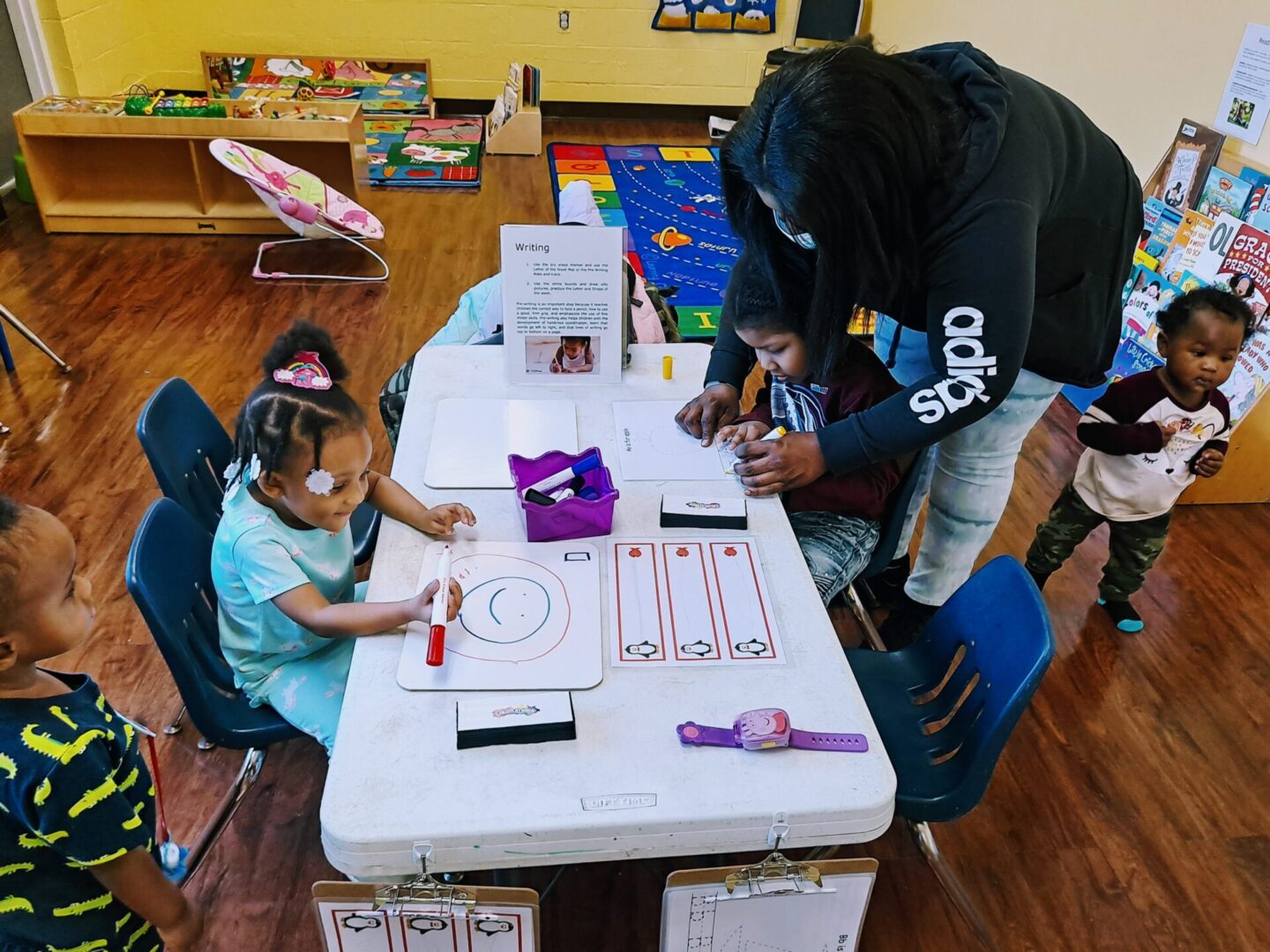
- Submitted and received state of Maryland childcare licensure, now the best-in-class Out-of-School Time center in Cambridge, MD. This childcare licensure has allowed the program to expand and diversify their offerings. They are now piloting a Pre-Kindergarten classroom that can receive up to 20 students. This program launched in the fall of 2024 and, as of this writing, just completed its first year. More information on this program can be found on our page: https://j2wfoundation.org/psep-pre-kindergarten-center/.
- Modified the physical structure, which allowed the Center to expand from 30 to 45 students, increasing capacity significantly. The Empowerment Center maintained a full cohort of 45 students in their summer programing for both calendar years 2024 and 2025. Thus, for summer programming, the Center earned a health score of “green.”
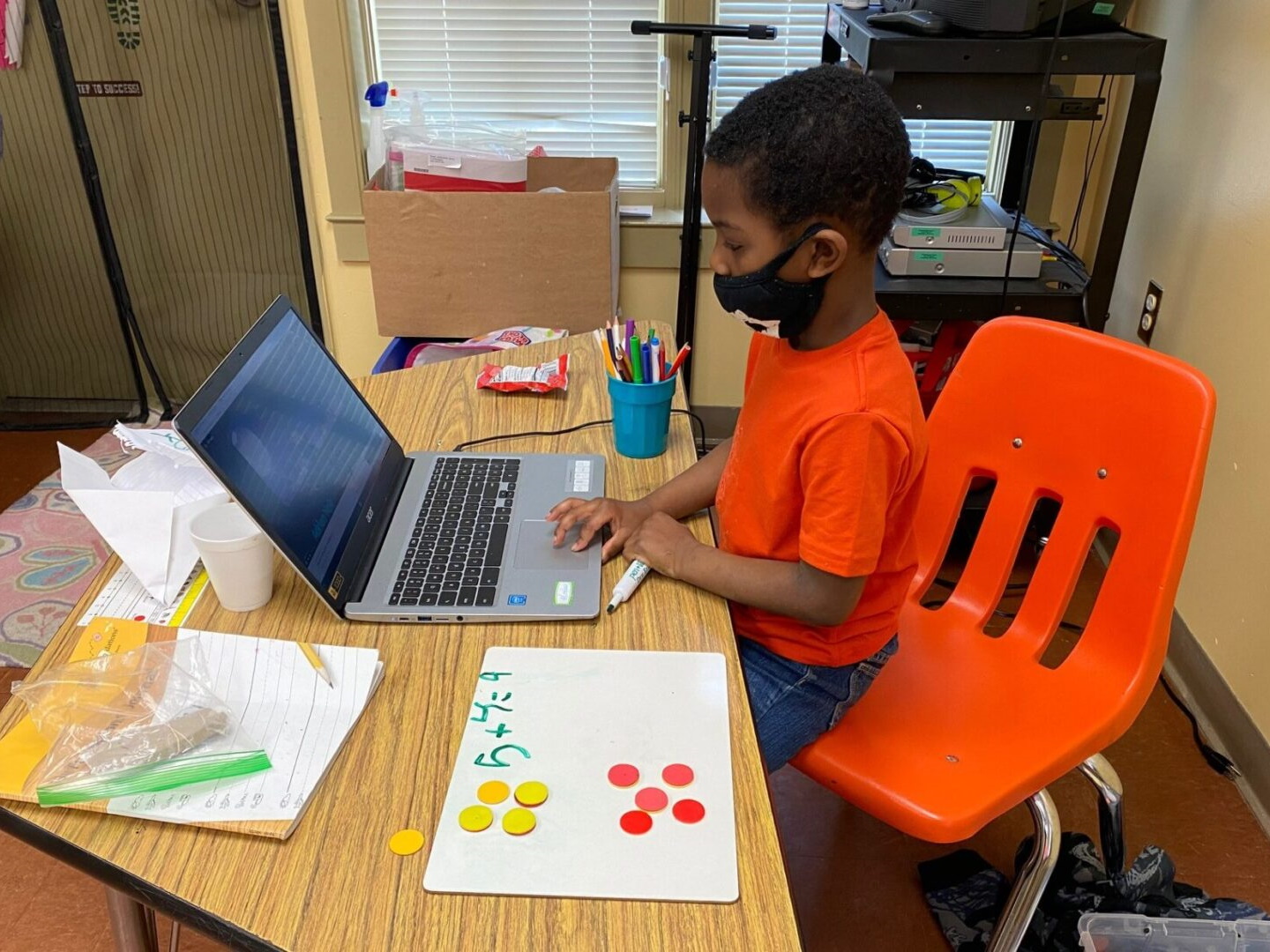
- Restarted the after-school program, which had been closed for several months while awaiting the licensure and building renovations in 2022. We were never able to achieve a full cohort of 45 students for the after-school program, but did end the program data collection with 30 students in Q2/25, which was the same number as the baseline achieved pre-COVID. Since the goal for the end of the program was 45, after-school capacity received a “yellow” health score. We were still pleased to see the program regain the losses of students post-COVID. The goal moving forward will be to maximize all 45 slots.
- The two part-time positions allowed J2W funds to go even further beyond the 3-year grant plan, funding the program for a fourth year – at no further cost to the foundation – before requiring Center funding for long-term sustainment of the positions.
- The Center has grown its Board of Directors, with new board governance training and policies. We believe the effectiveness of the Board has grown significantly over these last few years and thus are incredibly proud of how far the Board has come in its performance, capacity, and professionalism.
- At the end of Year-4 (program end), the Empowerment Center increased its cumulative organizational revenue to $741K. The goal for the end of Year-4 was $630K, earning a “green” health score.
- The Center purchased a new donor software system (DonorPerfect) to assist with direct mail and other donor activities to further improve revenue growth.
- Overall, we believe the CEC Capacity Building program was hugely successful. The hiring of the ED position resulted in improved Board management and operations; strong staff leadership that has increased the access opportunities for more children in need; stronger academic and social-emotional growth opportunities for the children in the programs; the ability to address the critical need for more early childhood education programs with their PreK program; and the financial and systems-building structure that can continue to maintain this high level of performance without the need for future J2W funding.